Pure, Unadulterated Joy.

Photos & Caption by Maxwell Laible

“I don’t need to tell you what the Knicks mean to New York. You can see it in the shadowy nosebleeds of MSG and the streets of today’s parade.

Jerseys next to t-shirts next to suits next to sweats next to Yankees next to Mets next to Jets next to old men next to young men next to so ons and so forths.

That in the realm of fake fans and die-hards the only people dying by basketball are still playing in their park courts. That there are no Knicks fans only New Yorkers.”

Subscribe To The Newsletter

Love From the Garden: Savor Summer Blooms, Tend to Autumn Ones Now

Photo of native honeysuckle by Katheryn Laible

Garden Delights

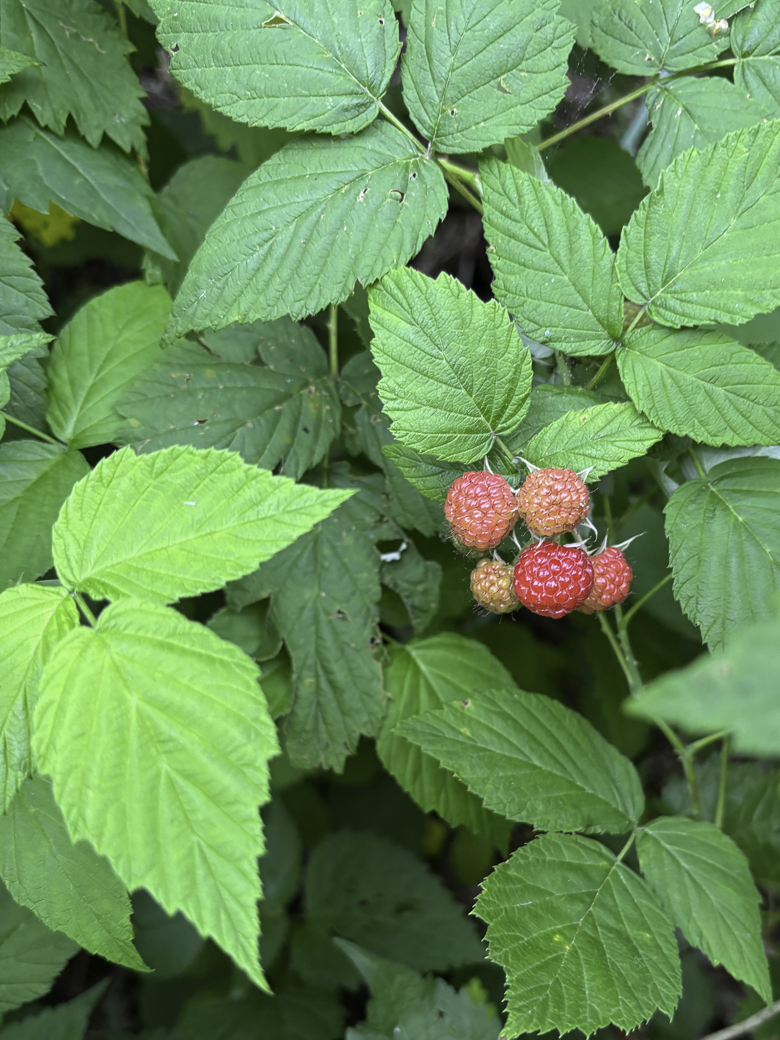
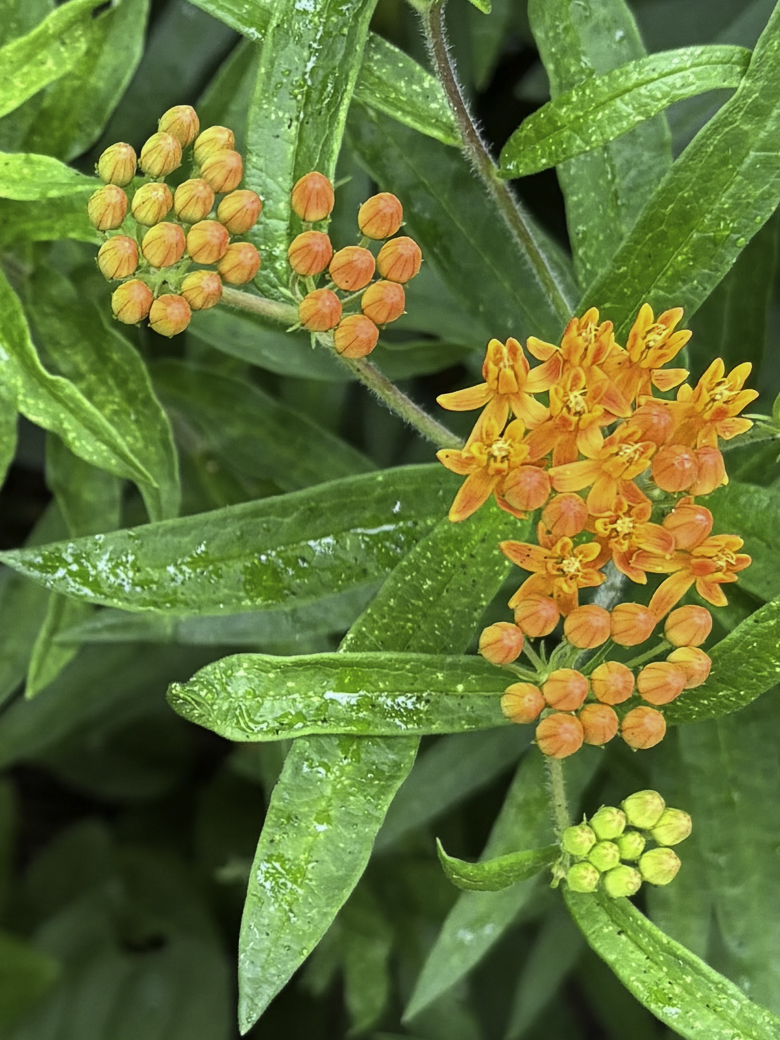
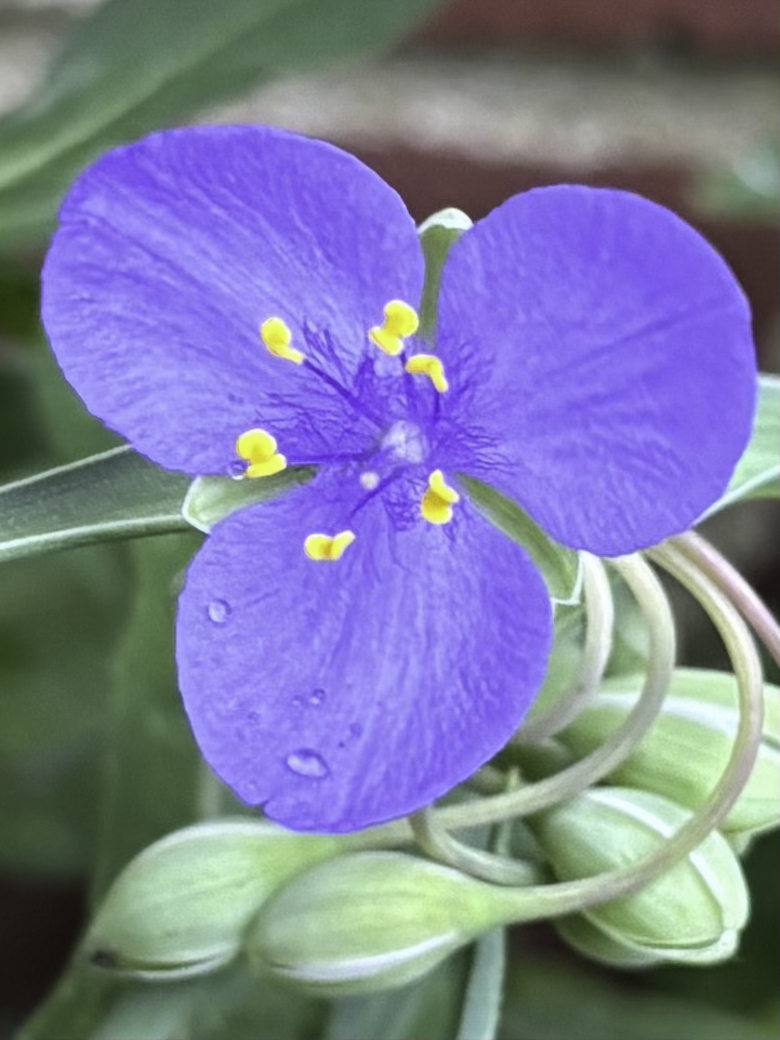
Ahhhh, June! The peonies have passed and the honeysuckle has continued to flourish. I am now enjoying the movements of the spiderwort, while eagerly watching butterfly weed slowly bloom and blackberries ripen. Next, will come the echinacea and joe pye weed, as well as native hydrangea and hibuscus, followed after by ironweed, asters, goldenrod and other autumn blooms… 

What’s blooming? Ripening blackberries, butterflyweed and spiderwort…

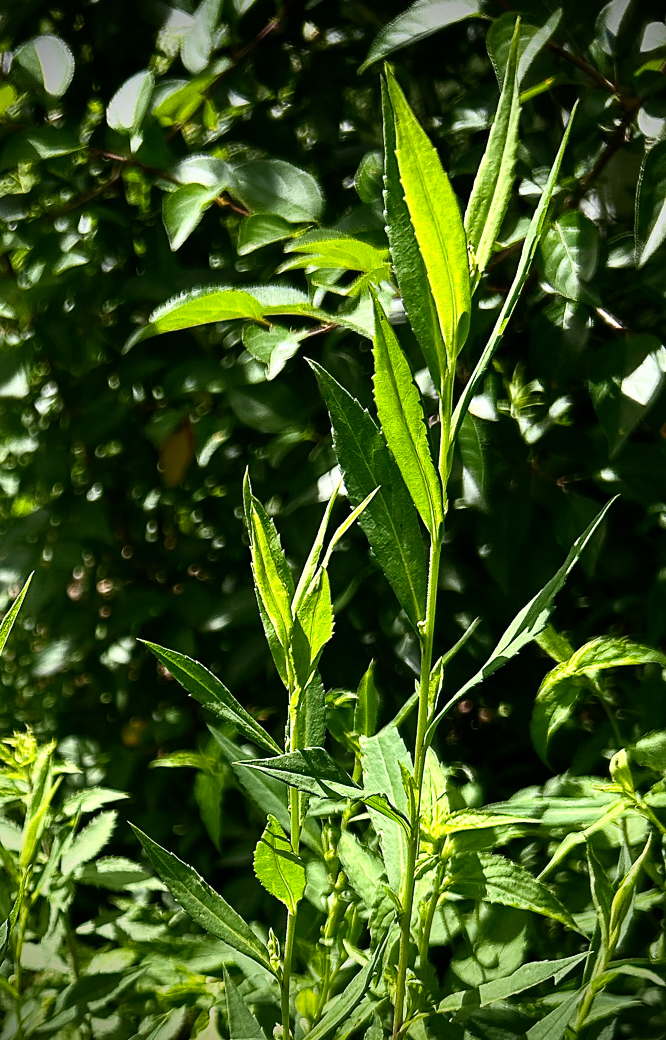
Time to Trim the Goldenrod and Asters!

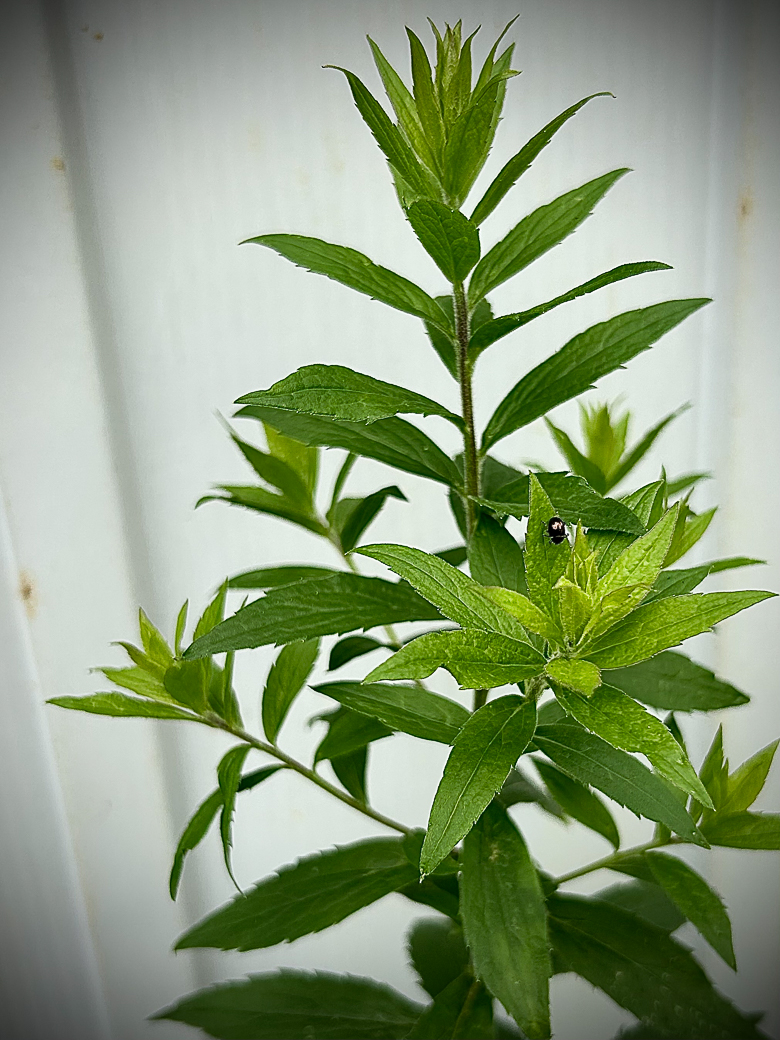
I can’t say for sure which of my many asters have returned yet this year, but I am certainly tending to all them! From now until roughly the 4th of July is the perfect time to significantly cut back fall bloomers such as Agastache, Asters, Eupatorium/Eutrochium, Goldenrod, Helianthus, Heliopsis, Rudbeckia, Solidago, and more…

You can cut them to about 1/3 of their size. Then they’ll be bushier and less likely to be falling all over themselves come autumn!

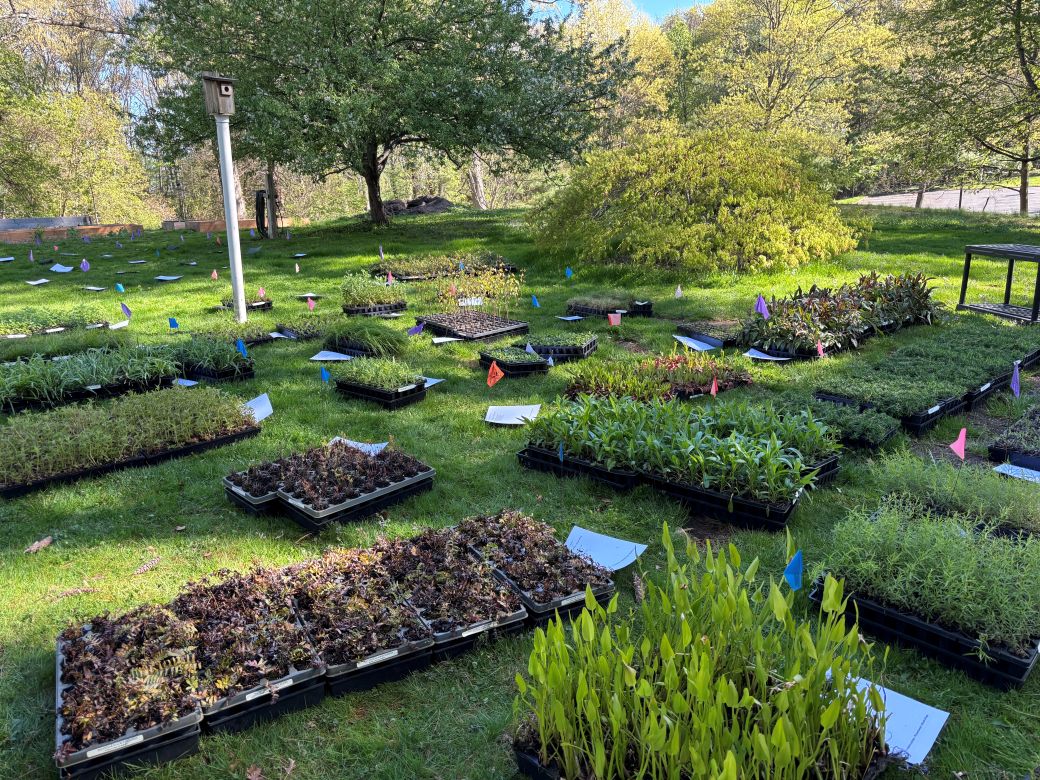
There are more detailed, professional instructions (and a whole lot more great LI gardening guidance) on Facebook, courtesy of Dropseed Native Landscapes, which is currently offering a 15% off potted plant sale in honor of National Pollinator Week! 

Just about time to cut these babies down to size!

Pretty Poison: Flowers to Pick

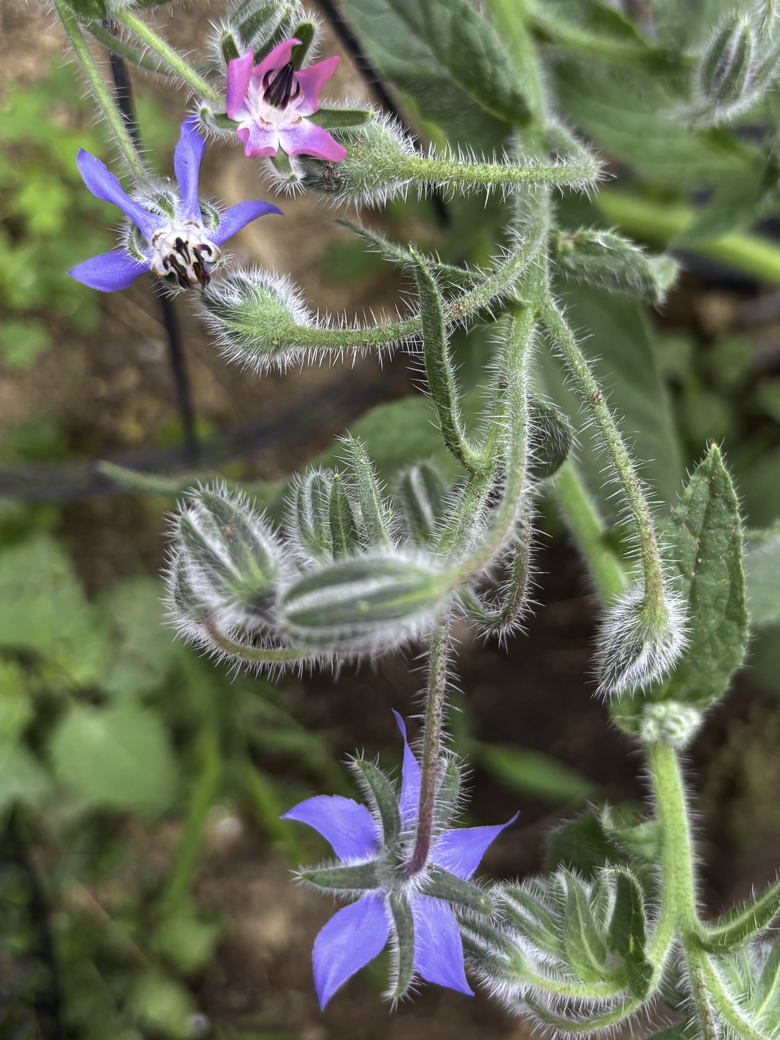
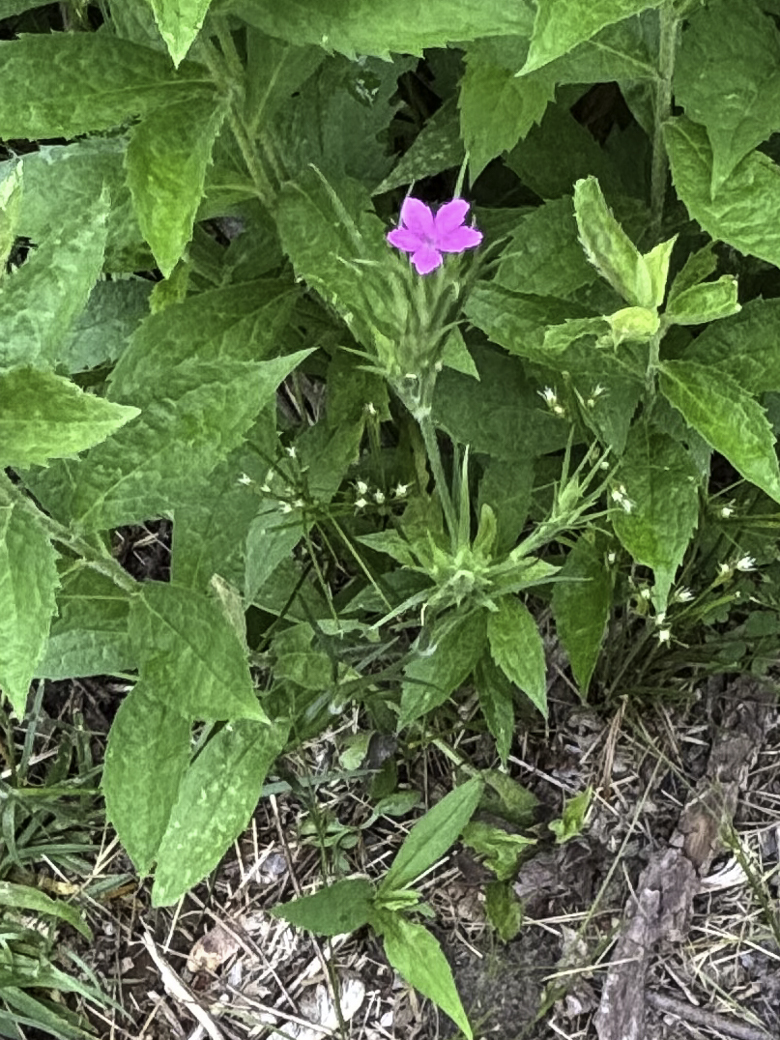
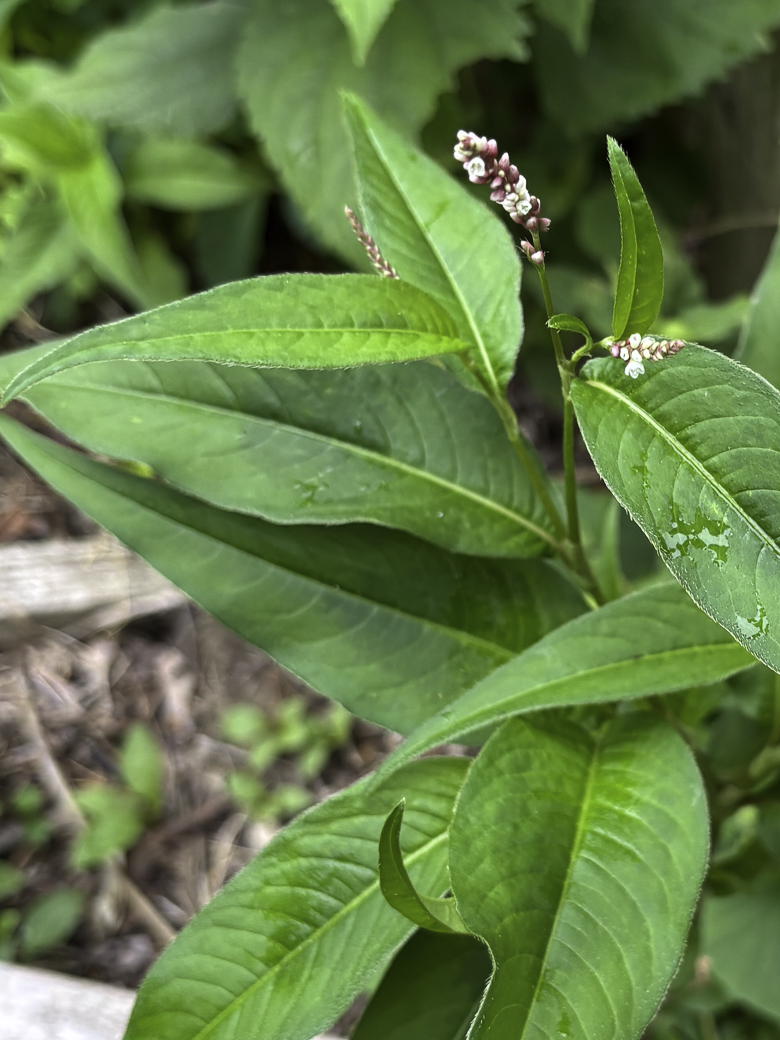
Much of what volunteers in the garden these days is invasive ornamental. That tenactity, after all, is a big part of what makes them invasive! The nice part is, some of them are very pretty and very fun to pick. Do get the roots! Be mindful that some plants — like the Porcelain Berry, have wicked root systems and may require other methods to make sure you’re removing and not just multiplying.

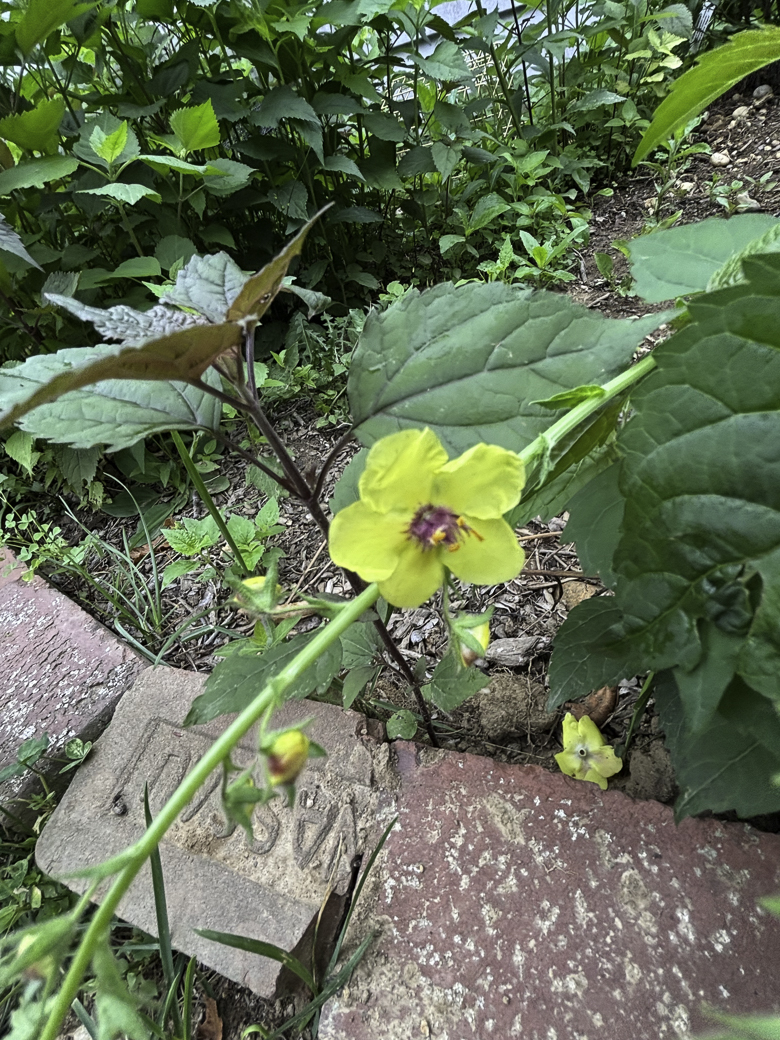
They may be pretty, but they’re also problems….Borage, Deptford pink dianthus, lady’s thumb and moth mullein…not all are officially labelled as “invasive,” but I can tell you I have trouble getting rid of these and others. Grateful to those who help me sort it all out.

Building Community

Whether trying to figure out what must go, or what I should plant, I am super grateful to folks at the Northport Native Garden Initiative,  Long Island Native Plant Gardening Group, and Re-Wild Long Island which are FANTASTIC resources filled with great people. Find them and much, much more in our Native Garden and Ecolandscaping Resources.

Knows other great resources? Let me know and we’ll add them to the list!

Get Support for Going Green: LI Garden Rewards Program

Photo of Echinacea Flowers

As part of a broader initiative to address nitrogen pollution, The Long Island Regional Planning Council (LIRPC) wants homeowners to know about the LI Garden Rewards Program. Through this program, residents may be reimbursed up to $500 for installing green infrastructure on their properties such as rain barrels, rain gardens, or native plantings.

The program began receiving applications on May 15th. Receipts must show purchases made after 3/15/26. Funds are limited and granted on a first come first serve basis. Don’t miss out!

Folks living in the Peconic Estuary watershed can also be rewarded for removing turf or pavement, and adding rain barrels, rain gardens and native plant gardens. Residents of the Town Hempstead can also participate in a Native Plant rebate program.

Find information on all of it here.

Photo of Black Eyed Susans

About the Long Island Regional Planning Council

The LIRPC is one of the only organizations tasked with considering the long-term economic, environmental, and social well-being of Long Island as a whole. It conducts research, surveys and studies. It also serves as a forum for discourse and debate, touching on topics such as the economy, equity, tax and governance, the environment and infrastructure.

You can learn about various initiatives and insights on the LIRPC website. It’s a great resource.

Photo of Northport Harbor by Katheryn Laible

Photo of Northport Harbor by Katheryn Laible

Why Nitrogen

One major focus of the LIRPC is nitrogen pollution.

Nitrogen is the leading cause of water quality deterioration on Long Island. It comes primarily from a variety of wastewater sources, and stimulates algal growth. This leads to low oxygen conditions, fish kills, and degraded marine habitats.

It also contaminates the groundwater that is Long Island’s sole source of drinking water.

You can learn more about that and the LI Nitrogen Action Plan (LINAP) here. We also have a great, growing resource of sustainable landscaping resources here (tell us more!).

While solutions are multi-faceted, this is a place where individual effort can make significant impact. Go for it!!

Bee on Aster by Katheryn Laible

Photo of Bee on Aster by Katheryn Laible.

Native Garden and Ecolandscaping Resources

Bee on Aster by Katheryn Laible

Recently Updated! A few years ago now, I started reaching out to friends and collecting resources that we are pleased to share with you!

Continue reading

Happy Earth Day! Native Plant Sale, Forestalling Fauna

Photo of Nicole Tamaro, Matt Goreman and Sara Abbass at the 2nd Annual Northport Native Garden Initiative Plant Sale

Happy Earth Day! Order plants from the Northport Native Garden Initiative by May 10th! Learn more here, including how to forestall the furry folks who might eat them before they establish!

Continue reading

March in the Garden: Patience, Mindfulness, Joyful Anticipation

Welcome, Spring! It’s good advice to wait until temps are regularly over 50 degrees Fahrenheit, especially to do a big, sudden cleanup, which we may wish to rethink in general. Still, there are plenty of thoughtful ways to get started…

Continue reading

Sign of Spring: Re-Wild Plant Sale is Coming!

It may feel like winter will never end — especially this week. Spring is coming, though! One fine sign is the Re-Wild Long Island native plant sale.

Continue reading

Firefly Hosts Northport Native Garden Initiative Winter Lecture

We were pleased to welcome John Turner from Seatuck, and are excited about more programs to come!

Continue reading

Firefly Artists to Host Northport Native Garden Initiative’s Winter Lecture

The Northport Native Garden Initiative is ready to take your order for plants that will truly feel at home on your property. Order by 4/24!

Continue reading

Autumn Landscaping Resources

Child in leaves

Autumn Landscaping: Plant Something and Chill

Autumn is a GREAT time for gardening! Click this link to learn why from Anthony Marinello of Dropseed Natives. Their most recent weekly newsletter announces their “Best of Long Island” nomination, and shares some of the great plants they have for sale at their Malverne nursery.
 
If you’d like something a little further east, I am personally a big fan of KMS Native Plants, which also has great things on sale this time of year. Thay also have a beautiful, searchable blog filled with all sorts of helpful information.
 
They are just a few of the great resources available to help Long Islanders learn how to use landscaping, not only to beautiful their world, but also to make it healthier. 
Autumn Dogwood
"Autumn Dogwood" photo by Katheryn Laible

On Leaving the Leaves

To explain why this is so beneficial, let’s start with another post from deeply knowledegable local expert Anthony Marinello of Dropseed Natives, “Leave the Leaves!”

This is rapidly becoming a very mainstream concept.

Here’s a piece from Homeserve.com, “Rake It or Leave It? Here’s Why You May Just Wanna Leave Your Leaves Where They Fall,”  one from the USDA, and even one in Good Housekeeping.

Here’s an article from James Doubek for NPR on the subject.

Environmental groups have been saying this for years. Here’s the National Wildlife Federation on why.

And one from The Xerces Society: “Leave the leaves.”
BTW the Xerces Society is interesting. It’s really focused on saving invertebrates. Their work is deeply fundamental and yet applied at our level in the food chain, so it’s also really helpful! Their Facebook page is a wealth of basic, excellent advice.

…There are tips on winter cleanup, saving seeds, a beautiful sight of Monarch Butterflies migrating….

I learned about them from Long Island Native Plant Group on Facebook, a great community of incredibly knowledgeable and helpful folks who think about our local ecoscapes all year long

…but I digress…

…I was talking about leaving the leaves…

Photo of oak leaf on pavement
"Oak Leaf" photo by Katheryn Laible

Well, Most of Them Anyway

The movement to leave the leaves is really important, but should be taken with a little common sense.

It also remains important to keep the driveway clear, as well as stone patios and pathways, assuming you wish to preserve them. The same goes for grass (though a thin layer of leaves may be mowed quite healthfully), which also likes to be aerated from time to time.

On my property, I’m dealing with invasive Norway Maples that I’m working to eradicate and replace with native trees as quickly as I can afford to do so. With them, I have found raking the leaves is fairly important as they seem particularly smother-y and slow to break down. As I am working to reduce their spread, I also want to be able to get their whirlybirds up in the spring!

As such, my approach isn’t so different from what these folks at the University of Wisconsin-Madison have to say, or The Spruce, here.

So, I do continue to rake a bit….mindfully….

Autumn afterblooms
"Autumn Afterblooms" photo by Katheryn Laible

Consider Losing the Lawn

Of course, while lawn health is among the biggest reasons to still rake, folks such as those from Re-Wild Long Island (an incredible collaboration of Long Island experts) suggest you consider doing away with your lawn instead.

This powerful opinion piece in the New York Times suggests you’d best “Kill your lawn before it kills you.”
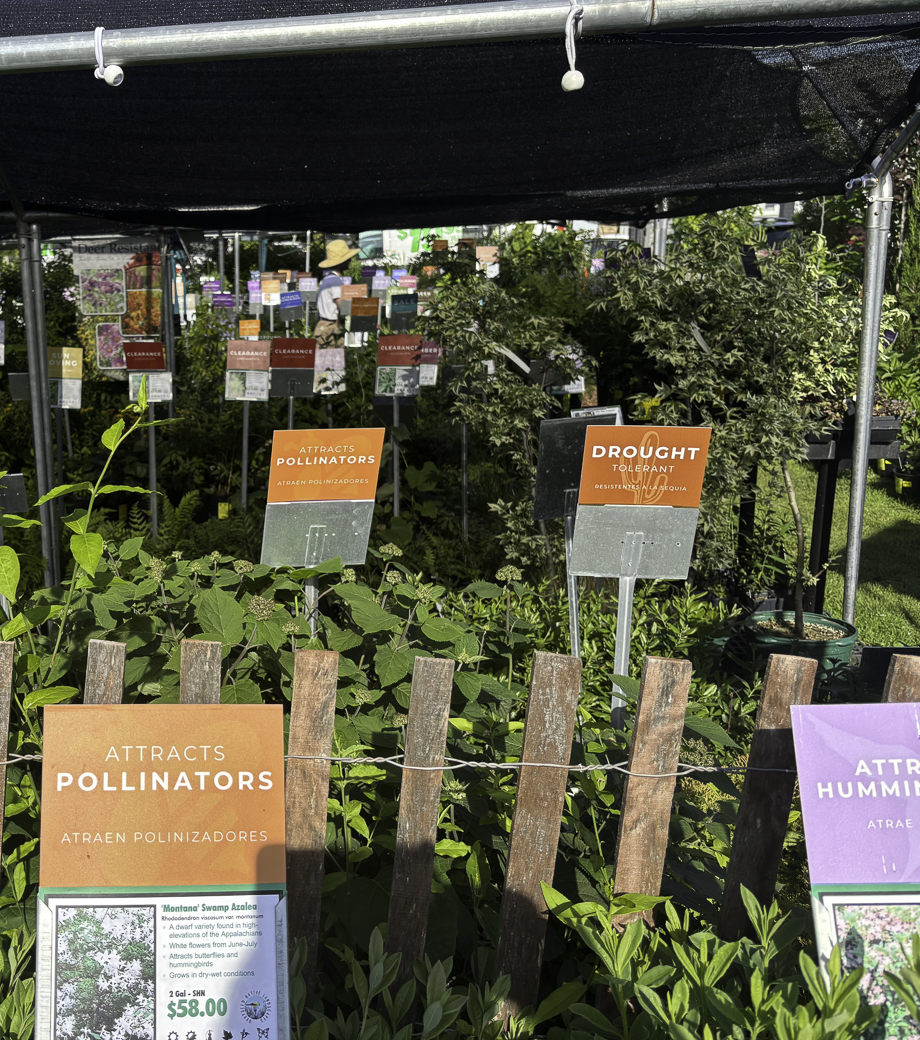
On the West Coast, this has become a serious affair. Alternatives such as Xeriscaping, which focuses on minimizing water use, have become very popular. There, many factors including severe ongoing drought are coming together to prove that fighting the ecosystem for the sake of grass isn’t worth the trouble.

Related practices are gaining popularity across the country as communities come to realize that tending their own yard is a great way to nurture a healthier environment.

I’m not quite ready to ditch my lawn myself. However, I am committed to neither watering nor fertilizing nor spraying it with chemicals, and to doing all I can to maximize the ecological value of my property.

Here’s a nice piece from Brooklyn Greenways on why native plants are so important.

I am deeply inspired by projects like these “Rewilding Long Island” examples featured on the Rewild Long Island website.

See these 12 Inspiring ideas for a lawn-free landscape from porch.com, and some more on Houzz.

Check them all out and then go, tread lightly into winter, and dream of the upcoming spring.


(BTW: You can find resources for that here … it’s never too early to start planning!)

photo looking up at trees in twilight
"Looking Up: After the Fall" photo by Katheryn Laible