

It’s Garden Time! The Northport Native Garden Initiative 2025 Spring Plant Sale is ON!!!! DEADLINE EXTENDED TO THURSDAY, MAY 8TH for a May 17th pickup at www.northportngi.org
It All Starts at Home
I’ve delighted over the blossoming of understanding that, as we tend our gardens, we’re tending to our world. I’ve written about the Northport Native Garden Initiative (NNGI) before. Bottom line, this little group in this little village is doing AMAZING things to help folks think global and act local.
Gratefully, they are not alone. I am super excited about their spring plant sale! Check out the side bar for info on that and other local resources.
There isn’t much one person can do that is more beneficial to the environment than to mindfully tend to their own yards, and to help others tend to bigger plots when they can.
These folks — and increasing numbers of others — are ready to help you do just that!
I Just Can't Wait...
The common refrain among those seeking to be ecologically responsible is to tell us to “leave the leaves” and let sleeping creatures lie until the temperature stays above 50 degrees for five days straight in order to let things that need to be there emerge.
I deeply appreciate the sentiment. However, I am terrible at following rules and would gently suggest that this is a good GUIDELINE, but not a cardinal law.
For weeks, already, I’ve been out there as much as my overfull schedule allows. Not nearly as much as I’d like, and rudely interrupted more than once when I finally was, but I’ve been out there. Thoughtful and gentle, but out there!
I am definitely NOT speaking on behalf of any of the folks who are far more studied experts than me, and STRONGLY encourage folks to check our the resources here and learn from them, but I did find this well-referenced “Garden Rant” that seems to align with my views here.
Some Things Should Certainly Be Done Already
I don’t think it’s disputed that some things really should be done now: I’ve pruned cherry trees and roses, which really needs be done before they wake up in the spring. I missed the window to plant spinach for a spring harvest, as well as other cold-weather crops, but I did manage to get a variety of lettuces into pots that I intend to move around to cool spots in order to keep them from bolting.
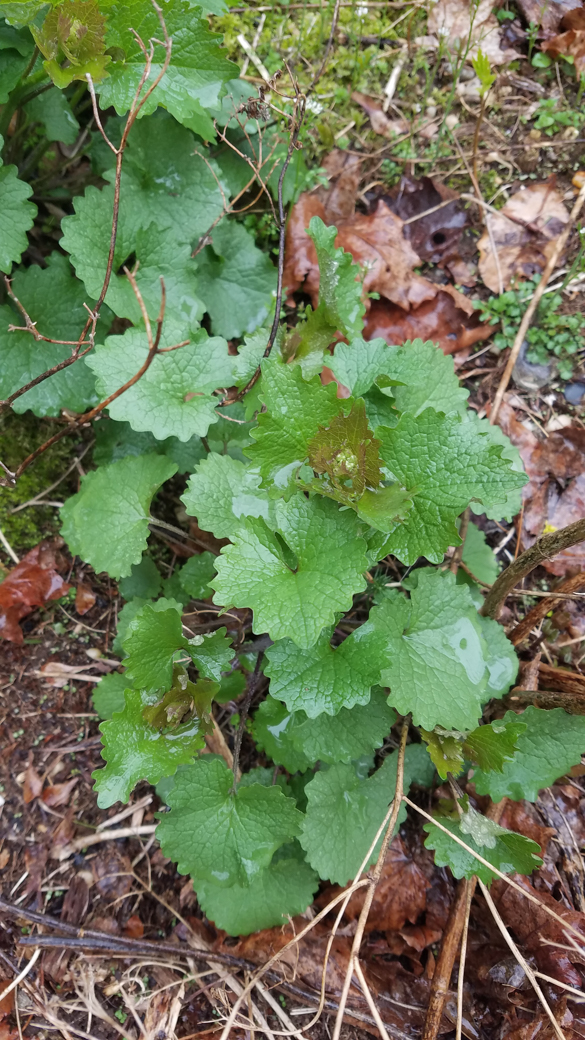
I’ve also been looking out for invasive species like hairy bittercress, which are already going to seed – seeds, rather, little tiny ones that burst triumphantly when the plant is touched. It’s good to pull garlic mustard now, too.
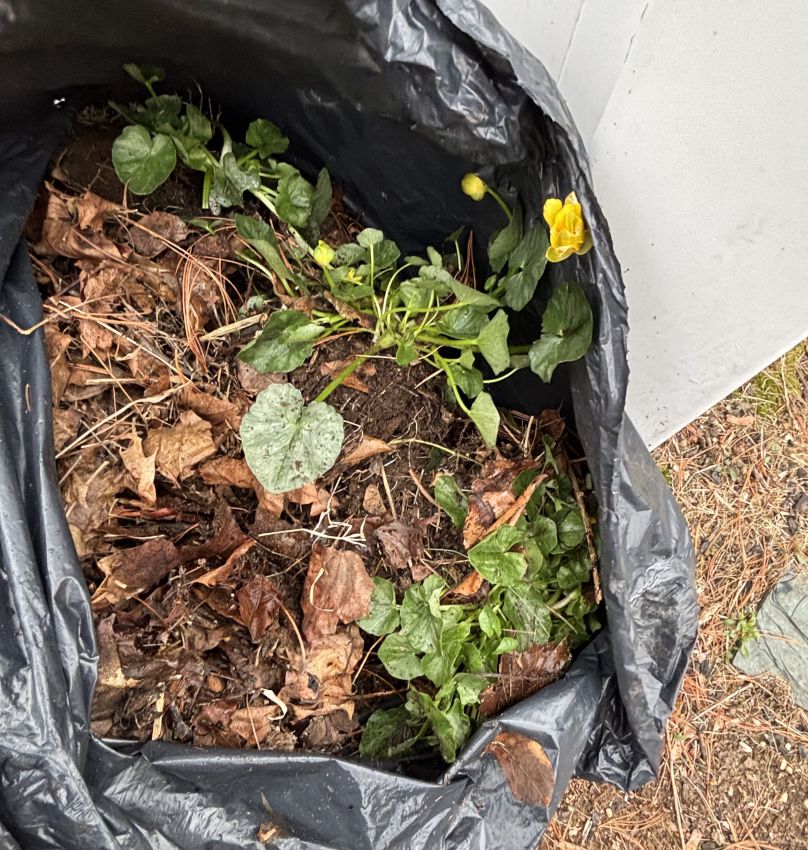
Then there’s the pretty poison, Lesser Celandine, that will take over everything if left unchecked. A few years after a major dig-out, I think I might be slowly winning this battle without having to resort to glyphosate (which, especially for large patches is often likely the best solution), but only because I find and dig it out now!
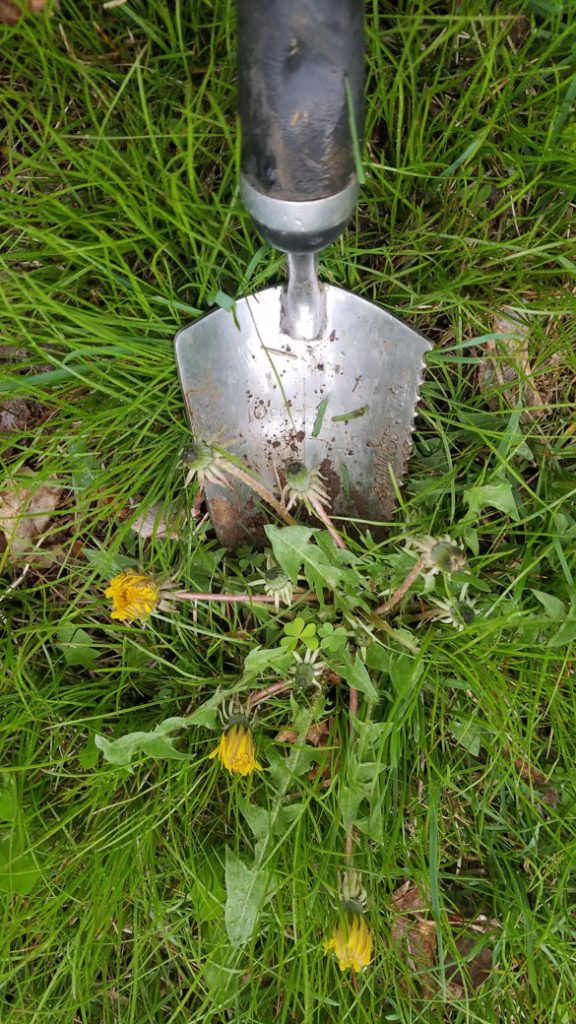
Many will suggest we leave the dandelions. Like the leaves, I have a measured response. I love them dearly. I don’t panic when they sprout, but I also find digging them before they go to puff-ball a fine meditation that keeps them from getting out of hand and saves me from inspiring neighbors to spray poison.
Then There Are Other Things...
Then, there are other things I do simply because I’ll never get it all done if I don’t start at least a month ago, I’ve been cutting goldenrod and aster stalks, and the canes of wild blackberries (which will be completely inaccessible if I wait, and are much easier to weave as I want them now). I’m mindful, though, to look for egg sacs and am for now simply putting all these cuttings aside into piles until the weather is consistently warmer. By the time I get through it all, it should be time to bind and put them to the curb.
I’ve pulled leaves back from the house, thinking that will help keep whatever emerges from moving in, and gently cleared daffodil and tulip beds. I’ve also removed some layers of invasive Norway Maple leaves to keep the whirlybirds from sprouting and also because I know those thick leaves won’t break down on their own any time soon. With any luck, I’ll get to make significant progress addressing the root of that problem shortly!
When It's Time, Hopefully I'll be Ready
Soon, very soon, I’ll bring my piles to the curb, and begin planting young vegetables. Next year, perhaps, I’ll start from seed, but for now I will be grateful for those who provide healthy young plants at the nursery for me.
Thank you to all who are recognizing that their landscaping choices have a tremendous impact, and are doing their best to make that a positive one. Thank you, also, to all those who are helping us all figure out how better to do so. I can tell you for myself, the numbers of birds and fireflies have been a delightful reward, as have been all those pints of blackberries.
I love them, but Dandelions can quickly become a bit much…so I let them bloom a little and then dig before they gear up to take over.
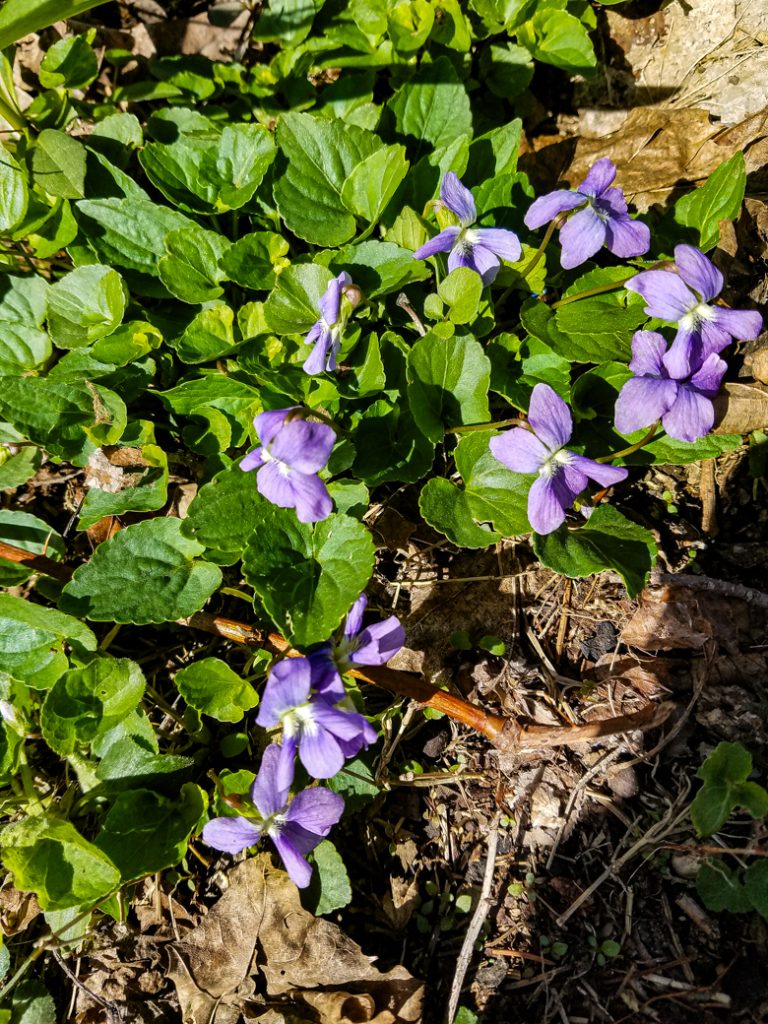
Welcome Friend: Sweet Native Violets
PLANT SALES, RESOURCES, AND HOW TO HAVE AN EVEN BIGGER IMPACT
One of the most fulfilling ways to help improve the health of our natural environment is to start with our own gardens:
Did you know that you can get up to $500 to fund endeavors to make your yard more ecologically sensible?
There have already been a few native plant sales! The Northport Native Garden Initiative has one going on right now. Order by 5/5 for a 5/17 pickup!
Plus, KMS Native Plants in Lake Grove is opening! The proprietor, Kimberly Simmen gives educational talks all over the Island.
At the Firefly, we have an open call for artworks inspired by your garden and the pollinators that make it blossom, run in partnership with Hive Market & Gallery in Oyster Bay. Hopefully, there will be some educational programming too!
You can get involved in bigger endeavors, learn tons, and even find summer internships at Rewild Long Island
Here are more resources that we’ve compiled over the years. We’re always updating this. Let us know of more!
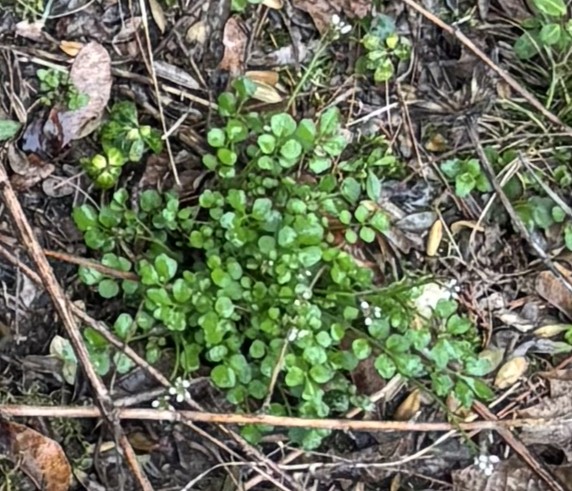
Early season invasive plant species — Hairy Bittercress (above) and Lesser Celandine (below). I haven’t had luck yet, but I’m hoping to successfully get native Marsh Marigolds — which look similar but don’t wreak havoc around here — to replace them.
Another invasive to pull now: Garlic Mustard
Correction Note: In an original version of this piece I accidentally wrote “Oriental Bittersweet” instead of “Hairy Bittercress.” My apologies!
