“Honestly, it’s now a catalogue of invasive species.” Jean notes with a grim look as she guides us on a survey of potential sites. We discuss the bigger picture and note relevant details as Max takes it all in.
She leads us down a path that is much wider than I remember.
“COVID” she says, seeing my expression, “SO many people came here walking. I hope they keep it up. They created some really great paths. It’s actually helping us get inside and see what’s going on.”
She navigates under a large fallen tree noting that it’s, “good exercise for people, especially someone my age.” As we go along, she shares resources she’s gathered and what she’s learned since she really got to focus on this.
Jean reflects that while the problems associated with invasive species have been developing under our noses for decades, solving them is something of a new field. Dealing with it all is a process of debate and experimentation. So far, there’s been a lot of mowing and letting-growing. She’s long been determined to minimize the use of poisons, but also knows many are recommending thoughtful applications. She considers that a bit as she eyes some of the more intractably infested areas.
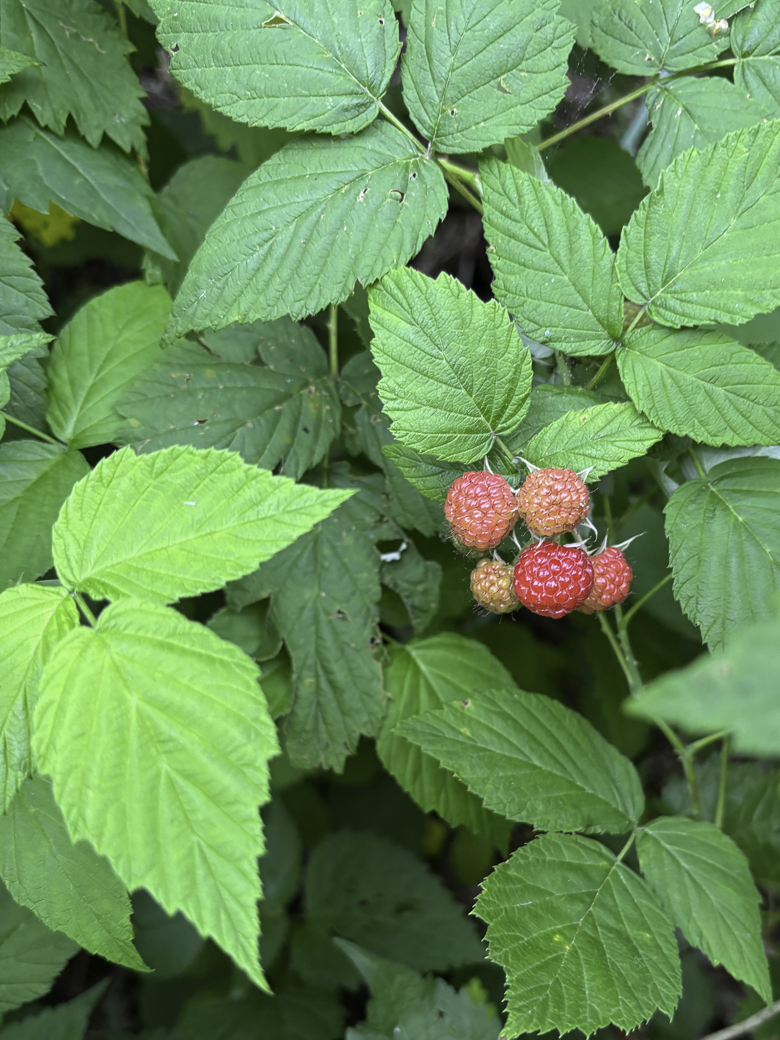
A main focus has been the pretty poison that is Porcelain Berry. English Ivy, and Multiflora Rose run amuck. As she points her plant app at species she’s unsure of, some results make her smile. Others furrow her brow.
She makes it clear that if the gateway garden Max plants could actively replace invasive species, that would be wonderful. Max responds that weeding would be considered more of a Service Project than an Eagle one, but he agrees with the need and will see what he can do.
We discuss wonderful volunteers. She lights up and tells me she’s learned something heartening from a biologist she’s been consulting:
“He tells me that in the ground are living seeds representing a record of 100 years.” She explains further about this wonderful news: The Earth is a living seed bank, especially in these undisturbed lands. If the now smothering invasives are removed, diverse native species, rare ones even, may spring up as payout.