Welcome, Spring!
The days are getting longer and any significant snow is now a memory. It’s time to tend to cold weather veggies like spinach, lettuce, root veggies, broccoli and brussel sprouts. It’s also a good time to think about how you might make your little piece of land something that serves the ecosystem rather than helps destroy it.
A Time for Patience -- Things are Sleeping!
Folks who care for the impact our landscaping choices have on the world around us implore: Please wait until it’s consistently a good bit warmer to do your spring cleanup. When you do, please be mindful to be less disruptive. Barbara Bolen of the Northport Native Garden Initiative explains this well:
“As environmentalists, we love recycling. So we are recycling our annual post reminding you to avoid cleaning out your leaves prematurely. The paragraph in italics provides information new for 2026.
Your neighborhood is probably filled with the sounds of landscapers blowing out your neighbors’ flower beds. To quote Nicole, “Fight the good fight” and leave your leaves a little bit longer. All the pollinators that you have invited onto your property need the weather to be a bit warmer until they venture out into the world.
The standard rule of thumb is to wait until nighttime temperatures are above 50 degrees for a week. We will let you know!
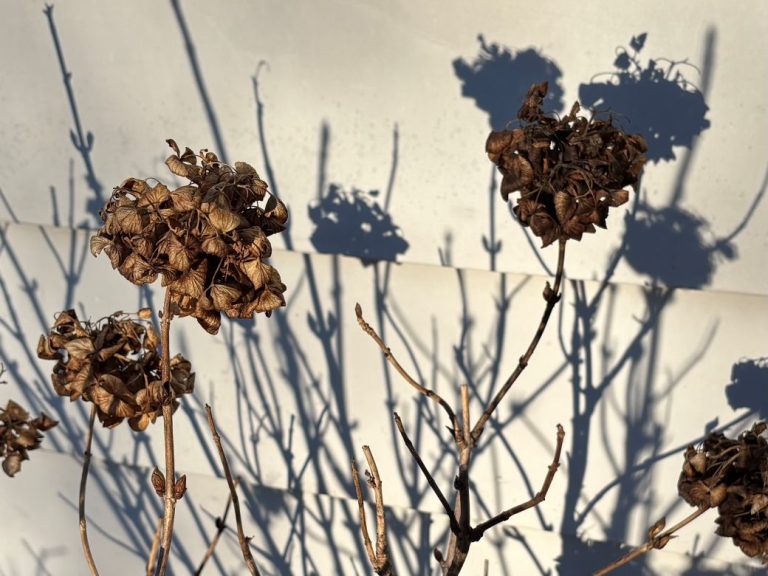
Butterfly and moth cocoons are still hanging onto the plant stems you left up. Some species of bees may start to be up and about, but they need their warm beds at night and to be protected from heavy rains. Other bee species are not yet ready to emerge.
There are benefits to your plants as well – the leaves you left alone last fall are protecting from your plants from hard frosts, breaking down into beneficial nutrients to help your plants thrive, and suppressing the growth of weeds.
If you are itching to get out to your garden, recent research suggets that trimming the stems of your native plants to leave a stubble of 12 to 24 inches, creating even more cut ends for bees to enter. You can also spend your time ridding your property of invasive non-natives. (See our other post about lesser celandine.)
Due to all of these ecological benefits, when it is time to clean up just gently rake out your beds and leave a thin layer of leaves on top.
Whatever you do, please don’t use a leaf blower on your beds. Leaf blowers are very damaging as the force of the air kills all the tender creatures who have sheltered on your property. Leaf blowers also tend to scrub clean your top level of soil – soil that your left-behind leaves have nurtured so nicely.
If you do use landscapers, ask them to just blow out the lawn and any hard surfaces, such as your driveway, patio and sidewalk.”
My Own Approach
My own approach honors this wisdom, while making some amendments. I start now, but go super slow. I don’t use professionals and I only have so much time, so it’s really the only way. Plus, there really is a lot that CAN be done now, while still being mindful of the impact on pollinators.
My vegetable patch for starters — as mentioned, things like spinach can go in as soon as the soil can be worked. I’m already concerned I’m too late, especially as it seems my first attempt to find a spot where early heat wouldn’t make them bolt prematurely may have proved to be too shady for germination. Take two will involve large pots, I think, as I found last year that vessels I could slide into the shade made for a much lengthier season.
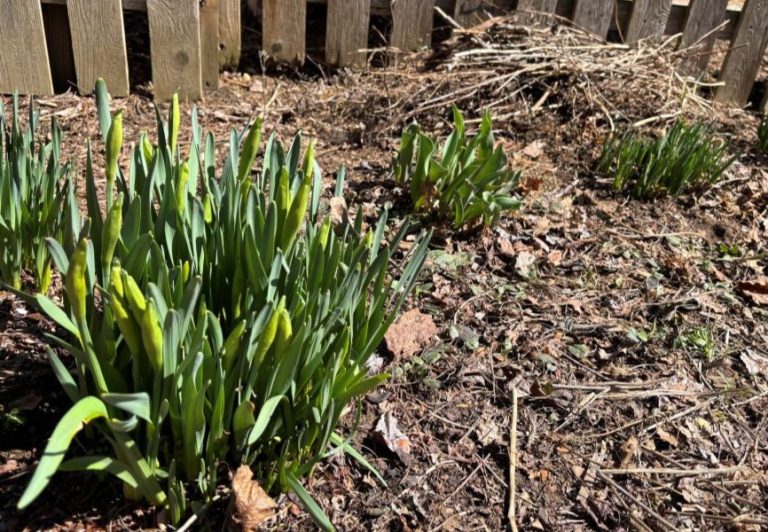
Then there’s the gentle clearing. I make a little pile here to make room for the tulips and daffodils. They’re not native, but they don’t leave their beds, either. Their early emergence and perseverance through late snows warm my heart like little else. They’re deserving of a nice spot to shine. Then there are some more piles as I try to figure how I’ll manage the Pokeweed this year. Those are poisonous to mammals, but I’ve never had a problem with pets or (now grown) children trying to eat them. What I do have to contend with is that they’re huge and prolific.
Then there’s another few piles as I start trying to get out the deadwood and get a handle on structuring my unruly wild Blackberries before they leaf out and make it completely impossible.
I go about this all gently, by hand, mindful. If I see something overwintering, I let it be. None of the piles go very far or get bundled too tightly before it’s warmer.
It's Always a Good Time to Tend to Invasives
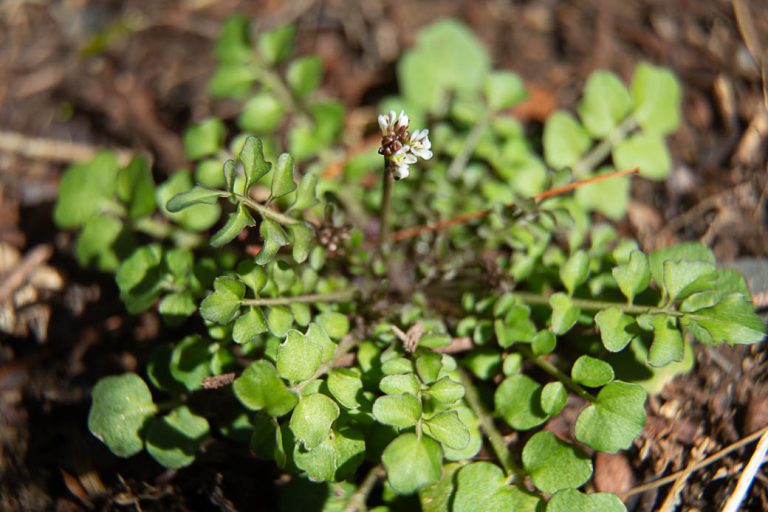
I sweep the walk and drive, and carefully clean out places by the foundation where I DON’T want creatures residing. As the dog does his daily investigations, I also meditatively pull the Hairy Bittercress that has already got me busy weeding. I’ve seen flowers already. No shooting seeds yet, thank heavens, as that makes the task rather moot.
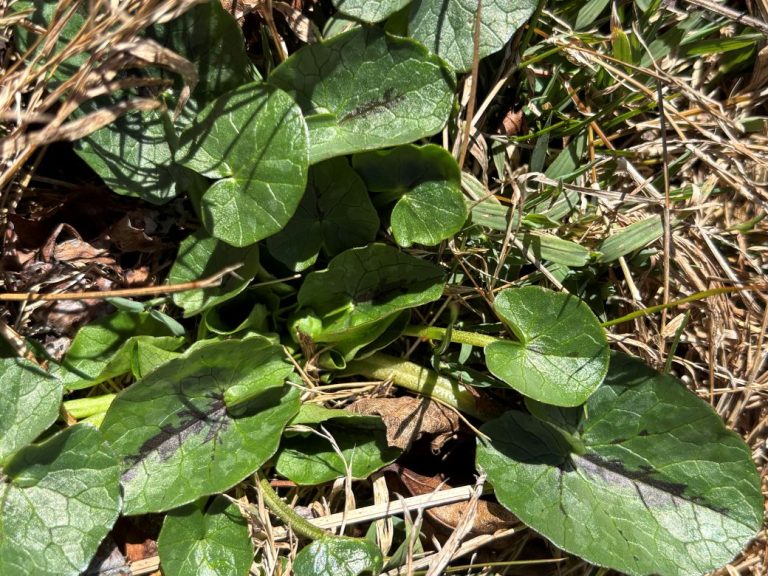
Then, there’s the Lesser Celandine. I make still mire piles as I uncover those waxy leaves I’ve been working years to eradicate. I’m glad to say I’ve made great progress digging it out. There’s a LOT less than I started with!
I will also say I’ve dug some pretty big holes doing this, and still have a job to do every spring!
Before I Know It, It's Time!
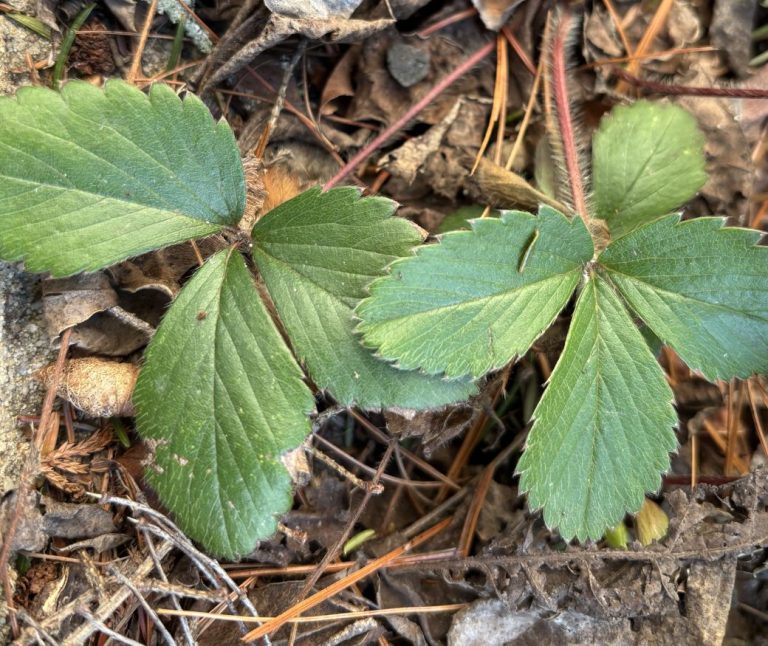
I take pictures. Makes plans. Welcome the native strawberries that have happily taken root. See what needs tending to on the house as I wonder if the little stubs of precious plantings the rabbits left me will ever grow back. I try to think of ways to better discourage local diners ’til they’ve had more time to grow.
By the time I get around to actually tying anything up, it’s time!