

Happy Earth Day! The Northport Native Garden Initiative Plant Sale is ON!!!! Order by May 10th! Here are the Co-Founders at their second annual Native Plant Sale in 2022. From Left: Nicole Tamaro, Matt Gorman and Sara Abbass. It just keeps growing! Photo Credit: Meghan Fisk
Happy Earth Day!
Happy Earth Day! There are all sorts of wonderful events going on out there. While I give it my best to attend other things – including spending a little bit of yesterday with the good folks of Re-Wild Long Island labeling plants for their big sale (they welcome volunteers!) — I most like to spend the day tending to the piece of Earth I am most responsible for: My own yard.
Some years ago now, we started reaching out to friends and collecting ecolandscaping resources to help folks do just this. It has developed into quite a catalog that we are very pleased to share with you.
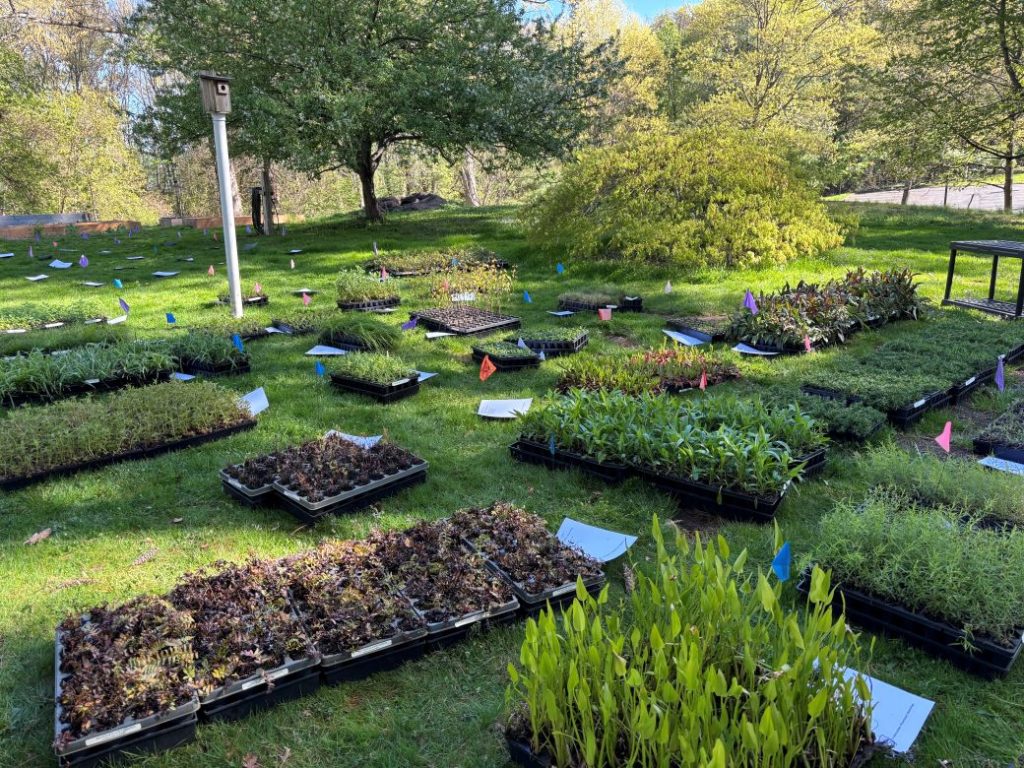
A broad diversity of native plants getting ready for distribution at Re-Wild pickup sites across Long Island
2026 NNGI Plant Sale!!!
The Northport Native Garden Initiative is one of my favorite local groups. This little group in this little village is doing AMAZING things to help folks think global and act local. They work hard to learn best practices together with our neighbors, and to offer plants, shrubs, and trees that look great while providing welcoming habitats for butterflies, insects, birds, and other animals.
Their online plant sale will run through May 10th. Order from their wide selection here
Plant pick-up will be on Saturday May 30th from 10am – 3pm at a Northport Village location that is yet to be announced.
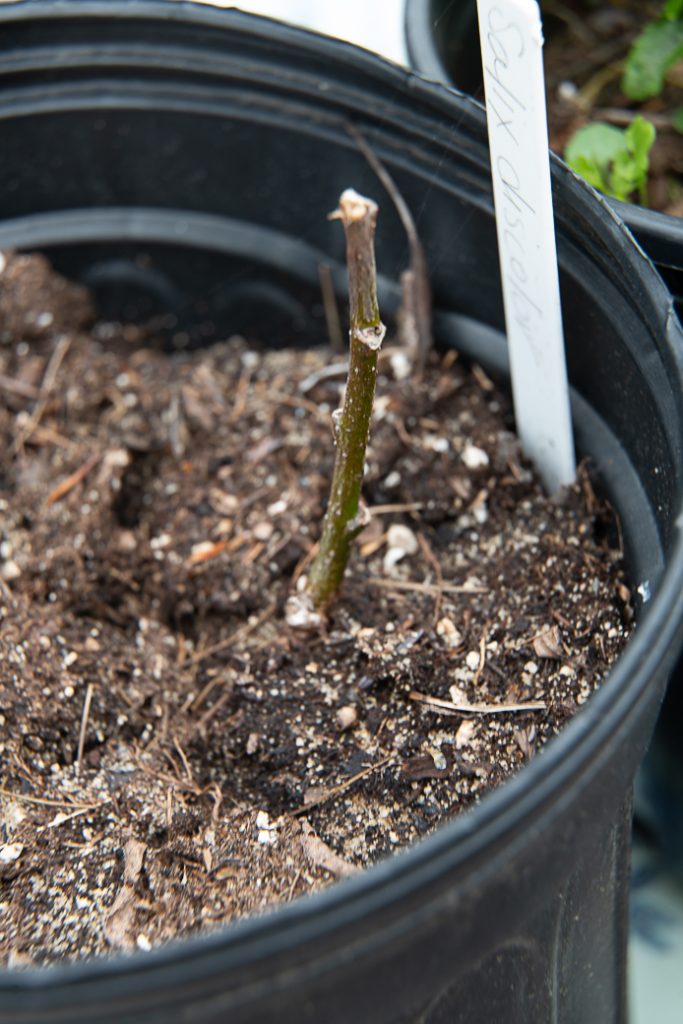
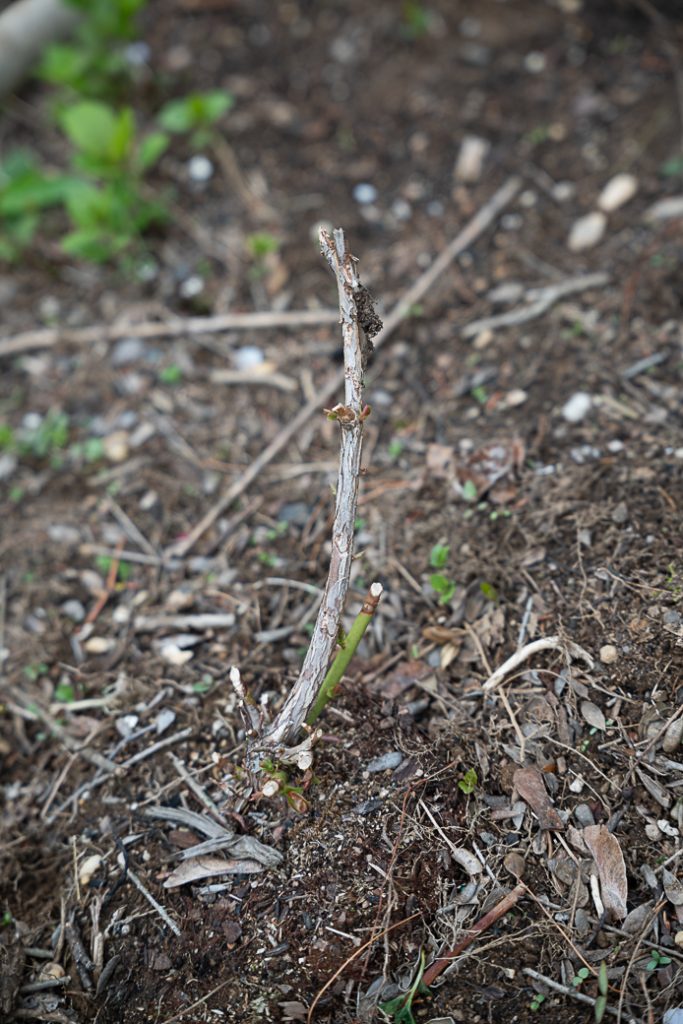
The pussywillow and blueberry purchased last fall — They may not be much, but they’re alive!
Notes from the Garden
Last winter was extra challenging for the creatures with whom we share our yards. When things finally melted, it was clear the rabbits and such had been left little choice but to devour most of our fresh plantings.
While I would not begrudge a starving soul a desperate meal, and I am grateful to say that, while the damage was unprecedented, most of the stumps they left seemed to survive, this is not a new challenge! I feel strongly that such folks will be much better served if I can find way to generally make them wait for things to mature before sampling them!
Fortunately, there are some WONDERFUL resources on Facebook. I went first to the Long Island Native Plant Gardening Group, where kind folks shared my concern for the well being of our furry friends and then proceeded to guide me toward chicken wire and, even better, hardware cloth. Irish Spring Soap seems to help protect the veggies, as do pretend snakes and owls with moving heads. A product from Bobbex was recommended as a deterrent, as well, though, by far the most common solution was some kind of safety cage.
Soon after this, that dear little group that could – The Northport Native Garden Initiative — and most specifically ardent member Barbara Bolen, posted some very helpful articles that she has kindly let me share here:
"Design to Thrive" or "How to Build a Garden to Serve Wildlife, Despite the Wildlife"
"Design to Thrive" or "How to Build a Garden to Serve Wildlife, Despite the Wildlife"
by Barbara Bolen
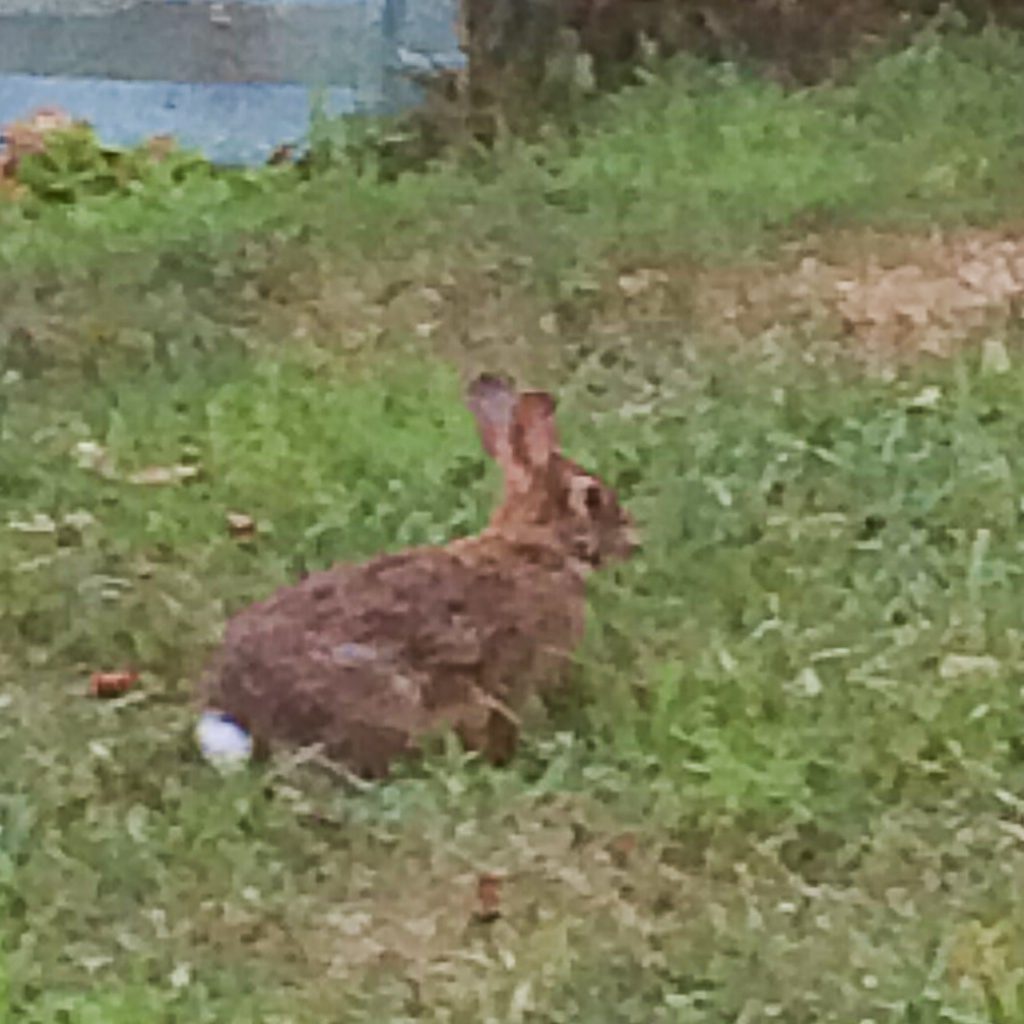
Ah, these fellows. Cute and hungry. If they’d only let things mature a minute!
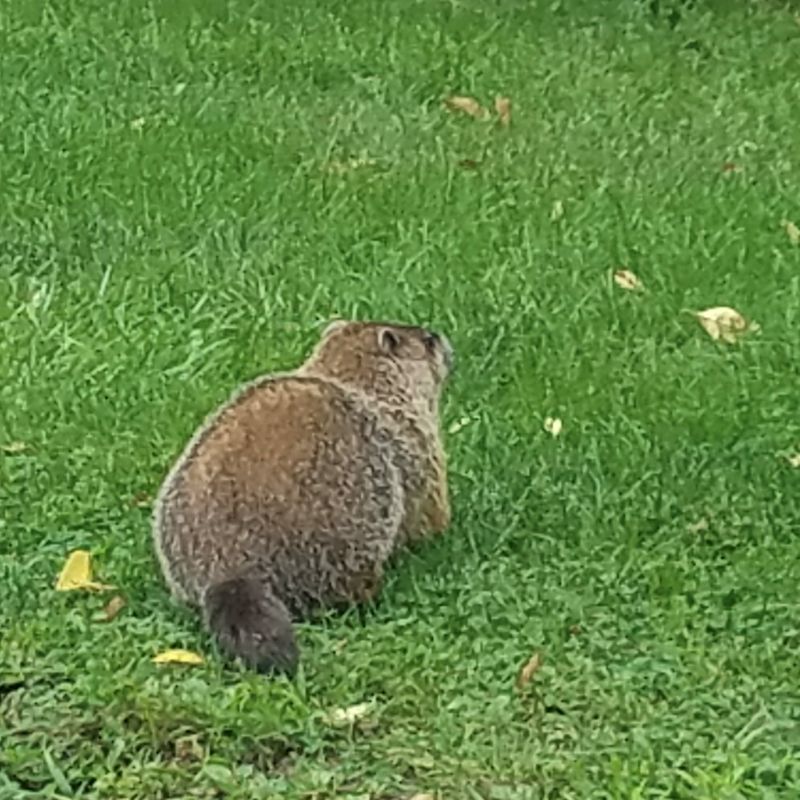
PART I: DEALING WITH RABBITS
Little bunnies hopping around your property are adorable but lose their charm quickly when they chomp your plants down to the ground.
Fences and Repellants
Raised beds and planters offer an advantage to plants planted directly in the ground. You can place chicken wire, with a mesh one inch or smaller, around your planting beds. It needs to be at least two feet tall and buried three to six inches underground. It is recommended to bend the buried wire away from plantings.
For individual plants, you can’t beat wire wastebaskets from the Dollar store. You can also buy decorative cloches from gardening centers.
Liquid Fence appears to be an option that isn’t thought to be harmful to pollinators. It is best applied to leaves and not on anything that you might want to eat. Apply in the morning or afternoon as application in direct sun can cause damage to your plants. It needs to be reapplied once a month or after heavy rain. You can also do a web search for homemade spray formulas using herbs and dish soap. Blood meal scattered around your plants is another option.
Planting Natives
• Take extra measures to protect young plants that are not yet well-established.
• Planting in volume can help prevent total decimation of any individual plants.
• Plant strong-scented herbs such as lavender, oregano, rosemary, sage, and thyme around your planting beds to repel bunnies.
• Native plants tend to be very hardy and will often resprout even after stripped of foliage.
• Take extra steps to protect Asters, Black-eyed Susans, Coneflowers and Milkweed
Rabbit-Resistant Native Plants
Although there are no absolute guarantees, some plants are typically avoided by rabbits, often due to their smell. See our other post listing deer-repellant plants as they are also likely to be ignored by rabbits due to their strong scent.
Additional Rabbit-Resistant Plants Available in NNGI’s 2026 Spring Sale:
Beardtongue
Goldentof: Zig Zag, and Fireworks
Iteal Litle Henry Sweetspire
Joe-Pye weed: Sweet and “Baby Joe”
New York Ironweed
Spicebush
Wild Geranium
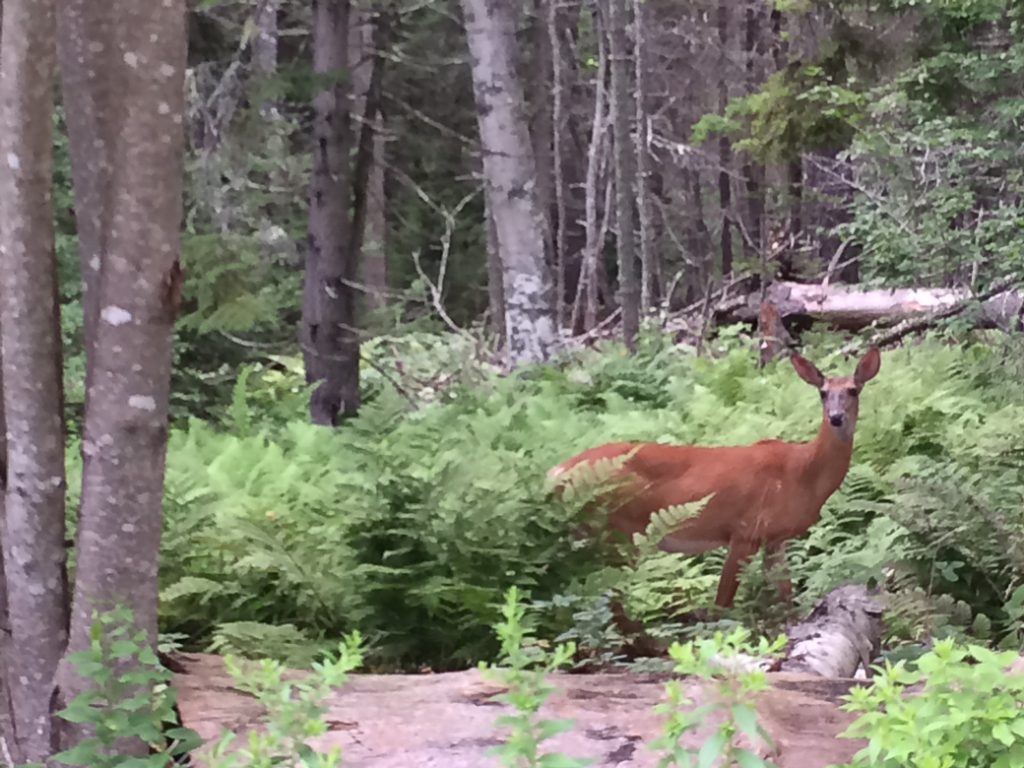
…and THESE fellows!
PART II: DEALING WITH DEER
I have been known to say that deer are so sweet during the day but terrifying at night. They can also be maddening if they are eating all of your landscape plants. Here are some tips for protecting your property and your sanity.
NNGI Board members Matt and Eileen Gorman live in an area in which deer are plentiful. Eileen offers the following road-tested tips, with the caveat that nothing is guaranteed:
“1. Plant something in the mint family around the outside of the garden. The deer don’t like the taste, and they have left the flowers within the bed alone. Bonus: they have beautiful white flowers that pollinators love. Full disclosure, just like other mints, they will spread.
2. Anise hyssop – the deer aren’t fans of its anise flavor. It has a beautiful purple flower, truly a pollinator magnet.
3. Grasses – any grasses, the deer just aren’t that interested.
4. Monarda (Beebalm) – not minty but in the mint family and has scented leaves. We love the red and purple flowers.
5. Milkweed/ Butterflyweed – a monarch favorite.
Again, there are no guarantees because if they are hungry, they may try it. But these are things we have tried in Northport and on Eaton’s Neck with success. “
The University of Connecticut has published an article filled with deer-resistant native plant options. They reiterate what Eileen shared:
“First off, no plant is truly deer proof! Fawns will try anything once; and when there is nothing else to eat, all deer will eat plants they have never touched before. Note that in different places, deer will favor different plants, so what is billed as deer resistant may not be so on your site. Conversely, you may successfully grow a species that other people usually lose to deer. Also, deer may ignore a species one year and go after it the next.
Small, young plants are the most vulnerable. You will have better success if you plant larger individuals. If you are buying plants, you might want to re-pot them and let them get larger in a safe place before you plant them out.”
Fences and Repellants
Deer fences need to be at least eight feet tall to keep them from jumping into your yard. Some people report success with hanging mesh bags or pantyhose filled with human hair and/or strong-smelling soap like Irish Spring. However, these bags need to be replaced once the smell subsides.
Deer Resistant Plants Available in the 2026 NNGI Spring Sale:
Fern: Christmas, Cinnamon, Maidenhair, Royal, Hay scented, Marginal Wood
Foamflower
Golden Alexander
Grasses: Purple lovegrass, Indian Grass, Big bluestem, Little bluestem, “Shenandoah’ switchgrass, Prairie dropseed, Tufted hairgrass
Iris: Blue Flag, Dwarf Crested
Mountain Mint: Threadlear and Blunt
Monarda: Bergamot beelbalm, “Jacob Cline’ beebalm, Spotted beebalm,
Sedge: Penn sedge
Source: Connecticut Invasive Plant Working Group, University of Connecticut

