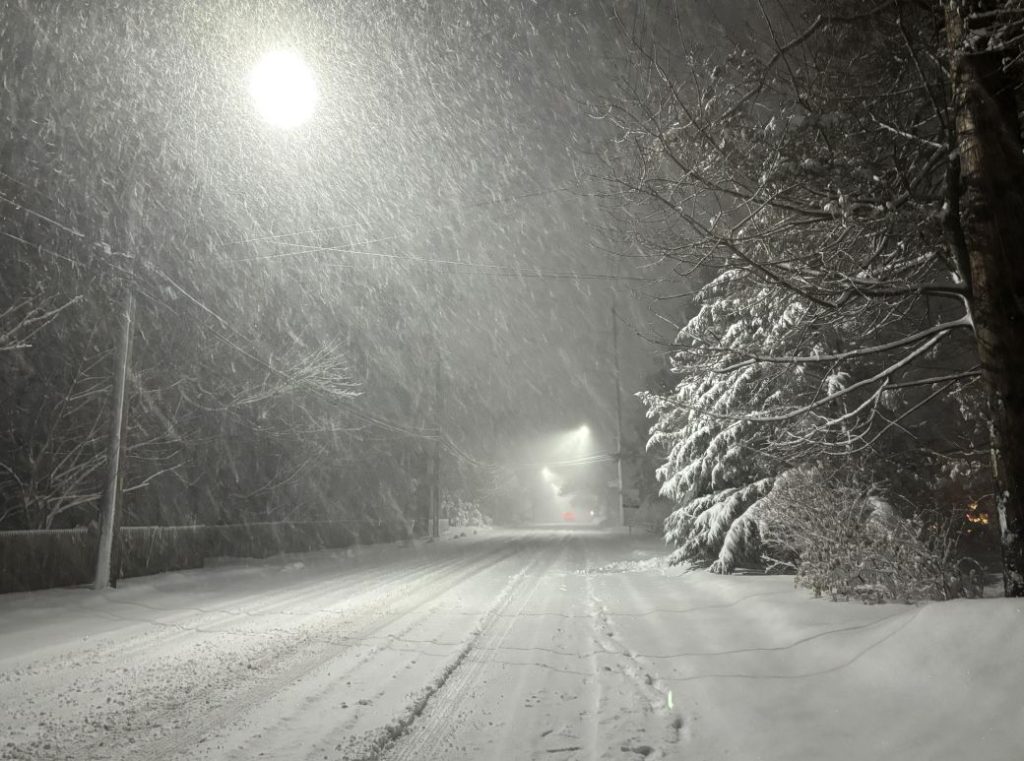
Photo of Superstorm Sandy aftermath by Katheryn Laible
September is National Preparedness Month, an annual national campaign ”to remind everyone that preparing for emergencies and disasters can keep them, their families and their communities safe.” Thousands of people are harmed by natural disasters each year. The early Fall is known for hurricanes. These and other major storms often come with some warning. Other events, like house, fires will never be expected. The best we can do, both for our family and in service to those who risk their lives to rescue others, is be prepared.
At the very least, when you know something’s going to happen, please listen to the advisories, and stay home when recommended. It’s not a matter of personal bravery, but saving emergency management folks from having to put themselves at risk unnecessarily.
Storm Safety From PSEG
PSEG offers storm safety guidance on it’s website, covering what to do before and after dangerous weather, including special info on floods, wildfires and generator safety. Another resource they offer is a “Critical Care Program” specifically designed to serve individuals with special needs who may literally count on electricity to keep them alive.
County Disaster Preparedness Hubs, Including A Way YOU Can Help
According to Nassau County’s website LIVOAID “is a coalition of non-profit, government, and for-profit organizations in Nassau and Suffolk Counties committed to working together in the areas of disaster preparedness, response, and recovery. Members of the LIVOAD support each other through their collaborative planning efforts to identify potential needs of disaster victims and develop coordinated and efficient delivery of needed resources and services. Each VOAD member organization maintains its own autonomy while coordinating closely with others in four key areas: Planning for the needs of various populations post disaster.”
On Nassau County’s website as well as on Suffolk County’s you will find a broad array of information on possible hazards, evacuation routes, flood zones, and shelters. They have tips on how to handle these situations with either children, disabled folks, or how to approach disaster as a business owner. You can sign up for emergency alerts, weather alerts, or when the time comes, report damage and request government records.
If you want to advance to the next level of being able to protect your family and neighbors, you might consider joining the Community Emergency Response Team (CERT) in Nassau or Suffolk County. Nassau has a Facebook page for thatas well. These are federally funded, community based volunteer programs providing special training that prepares citizens to assist emergency responders in the event of disaster, or in providing public education to make our communities more resilient.
Stony Brook University: Emergency Preparedness/Disaster Relief/Humanitarian Assistance Resources
Stony Brook University put together a list of organizations on Long Island, In New York City, and national/international organizations who may help in a disaster.
Check Your Town Website
Individual Towns have their emergency operation centers that offer helpful information specific to those localities as well as more general information. These may include lists of local agencies, food services, and other resources, including tips for folks with pets, businesses, and other sprecific concerns.
Here are Town of Huntington and the Town of Oyster Bay. as specific examples. We are particularly fond of this Town of Huntington Emergency Preparedness Handbook. We encourage you to check out what your own municipality is doing.
An Ounce of Prevention...
The better prepared we are, the better off we — and everyone who gives it their best to help out at times like these — will be.