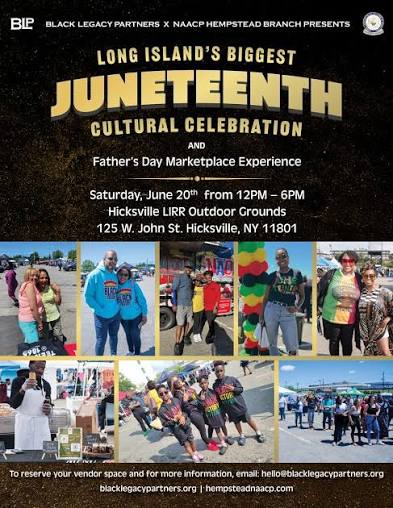
June 19th marks the sixth nationally-recognized Juneteenth. It commemorates that day in 1865, 2-1/2 years after the Emancipation Proclamation and over a month after the last battle of that hard, bloody war, when the last Black American slaves in Galveston, TX were finally set free. For many, the holiday celebrates our Nation’s ability to confront its immoralities and more fully realize its founding principles. For others, it’s much more personal.
The National Museum of African American History & Culture offers a rich history of the celebration. Juneteenth has been celebrated in black communities since 1866, starting as church gatherings. Prior, beginning in 1863, there were “Watch Night Services” praying for the day to come. Modern celebrations include street fairs, parades, concerts, and, yes, still lots of prayer. In 2021, Juneteenth was finally recognized as a federal holiday.
Another good way to honor this day is to study history, and to reflect on how, while Juneteenth itself recalls a moment of triumph worthy of celebration, humans remain human. We still struggle to see, learn from and honor each other. The pursuit of “a more perfect union” remains an ongoing project that requires ongoing care.
We think it’s also important to note that, even in the darkest of times, all sorts of folks have given it their best to overcome all sorts of stuff in order to make things better for everyone. This happens more than we might realize, and often in places we might not expect. None of us can heal things alone. We all have a lot to learn. May we gratefully reinforce all who give it their best to advance civil rights and otherwise endeavor to more fully realize the acknowledgment and admonishment entailed by our nation’s Declaration of Independence that, “We hold these truths to be self-evident, that all men are created equal, that they are endowed by their Creator with certain unalienable Rights, that among these are Life, Liberty and the pursuit of Happiness.”
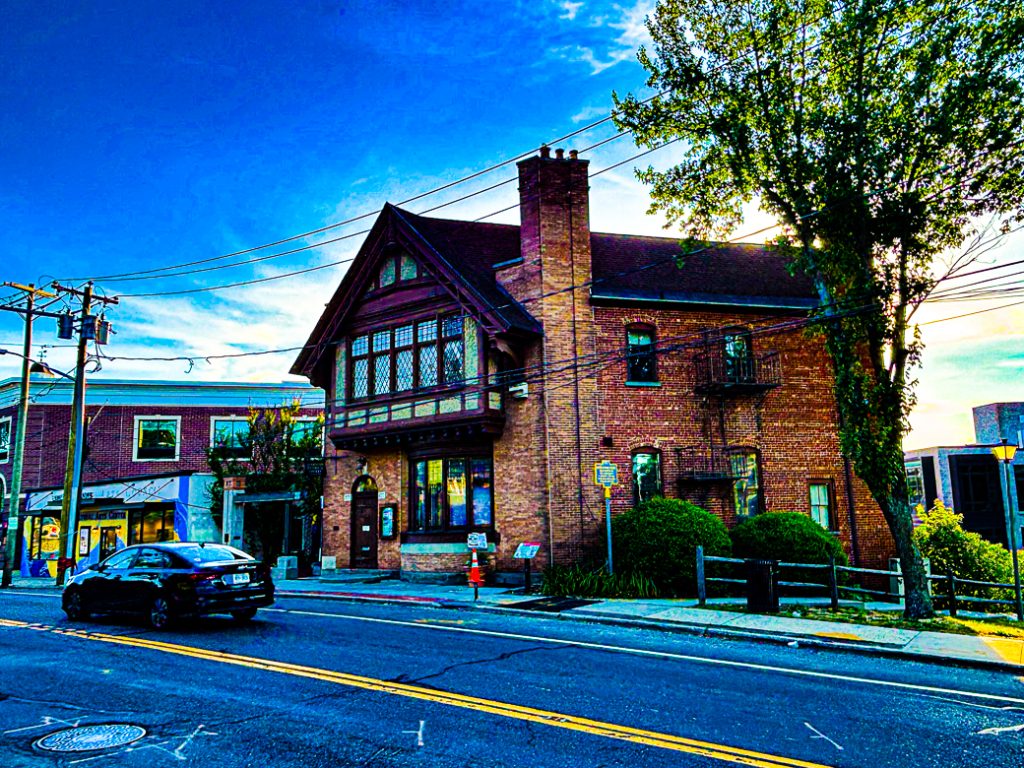
We are also grateful for folks who have long worked to capture and uplift stories focused on the unique history of local Black Americans. In the Town of Huntington, for example, these range from more prominent folks like the first Black American Published Poet, Jupiter Hammon and renowned author and orator Booker T. Washington, to Greenlawn’s famously entrepreneurial “Pickle King,” Samuel Ballton, to artifacts of sometimes unclear origin that share stories of life as a Black American throughout our local history. Here’s a fascinating lecture on slavery in Huntington offered here by Town Historian Robert C. Hughes, and a CBS report on an archaeological dig at the Peter Crippen House.
All testify to the determination of the human spirit to preserve culture and rise above, despite great challenges that continued well after Juneteenth and into today.
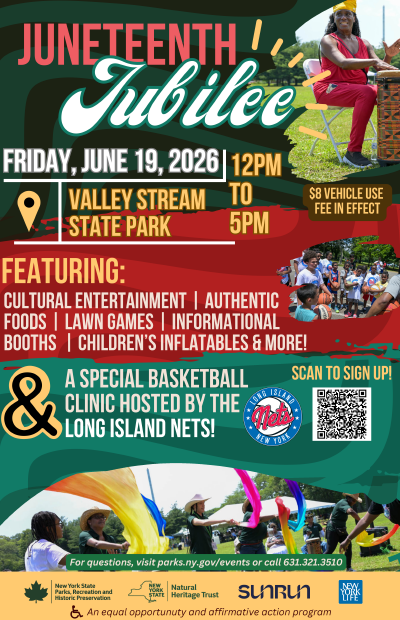
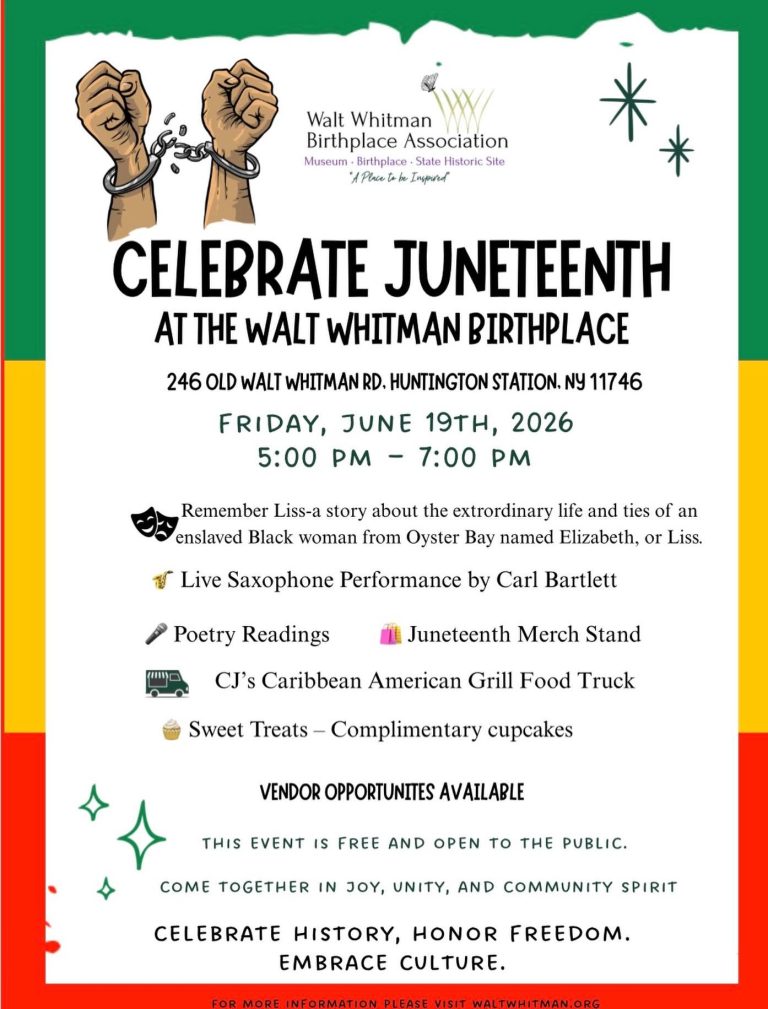
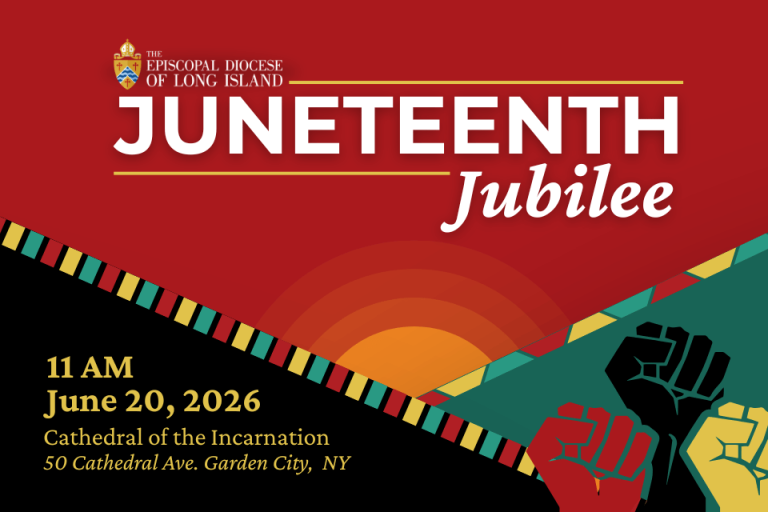
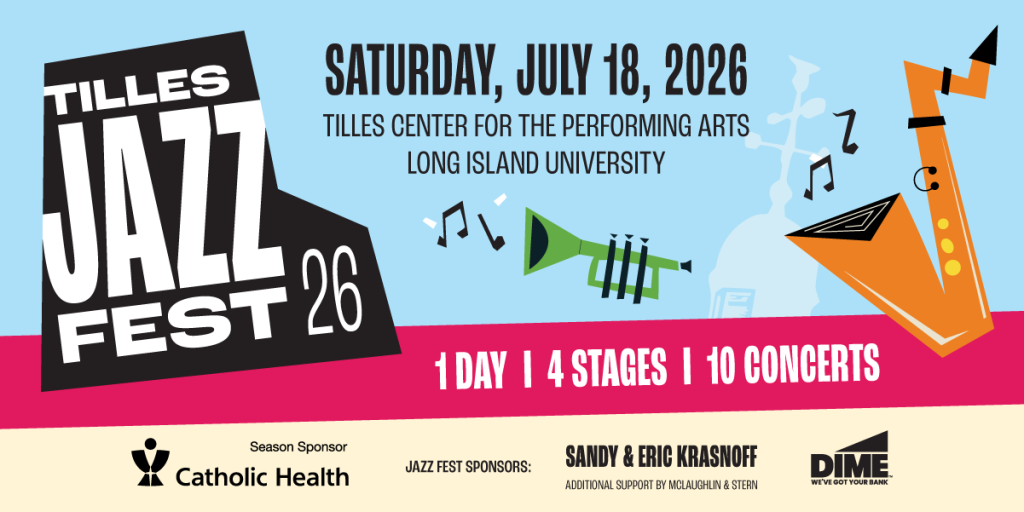
Here are a few upcoming events that endeavor to do the same: